
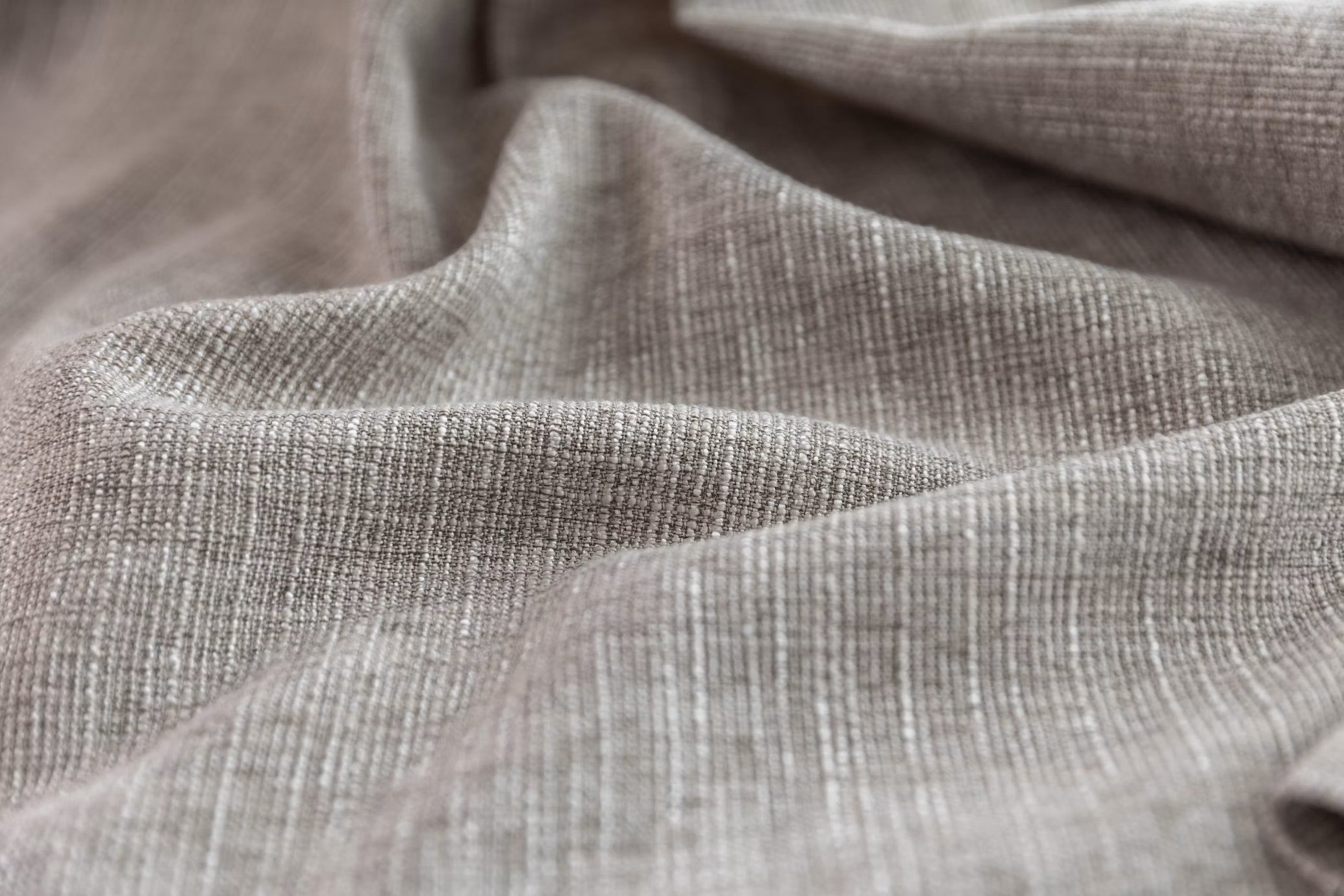
How to Draw Fabric Folds With Pencil
Fabric looks complicated when every crease is treated as a separate line. Begin with where the cloth is held, then build the largest folds and their shadows.
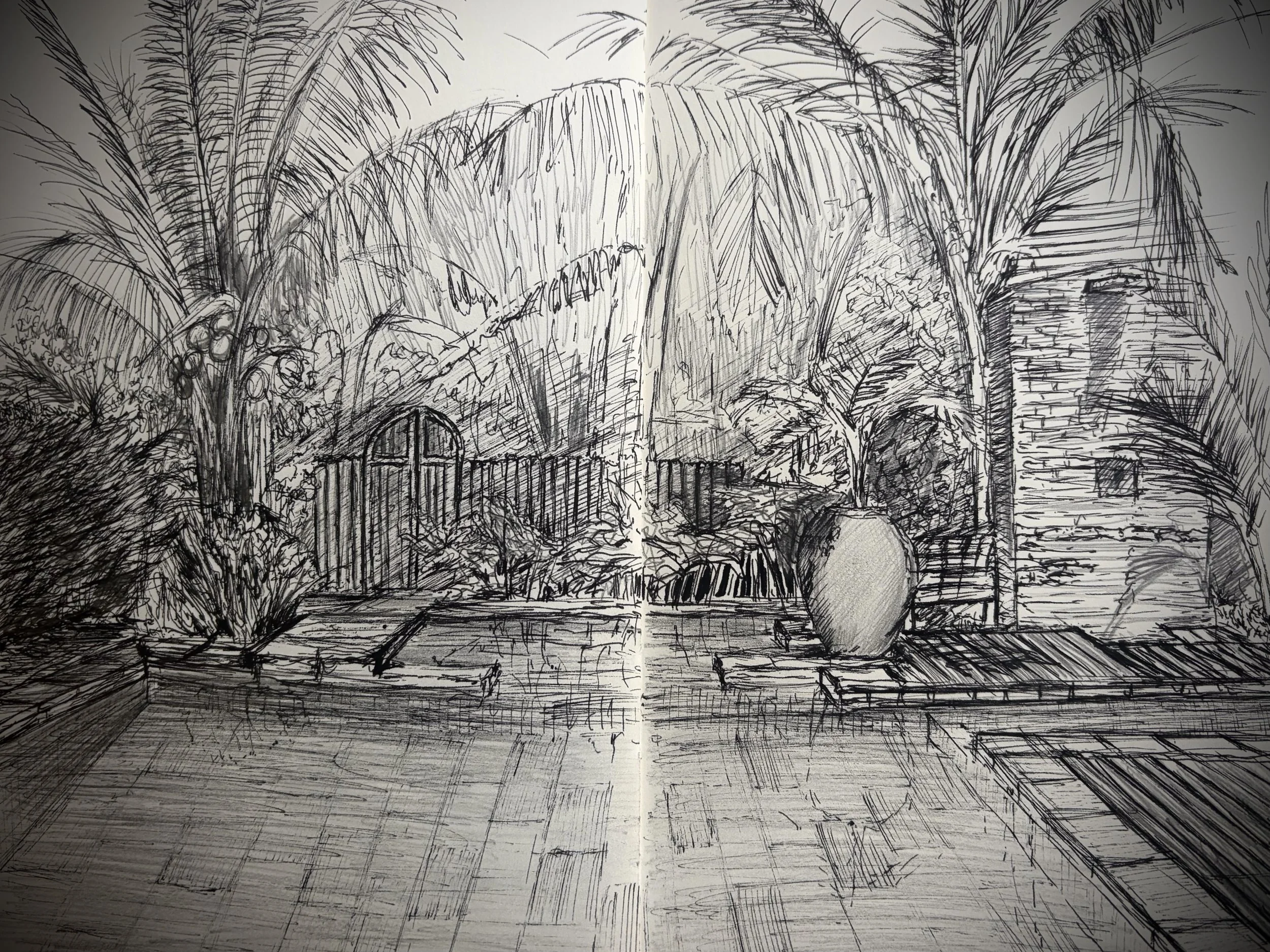
Urban Sketching on Holiday: Drawing the Place You Are In
Drawing on holiday records more than appearance. It captures the time spent looking, the details you chose and the feeling of being in that particular place.
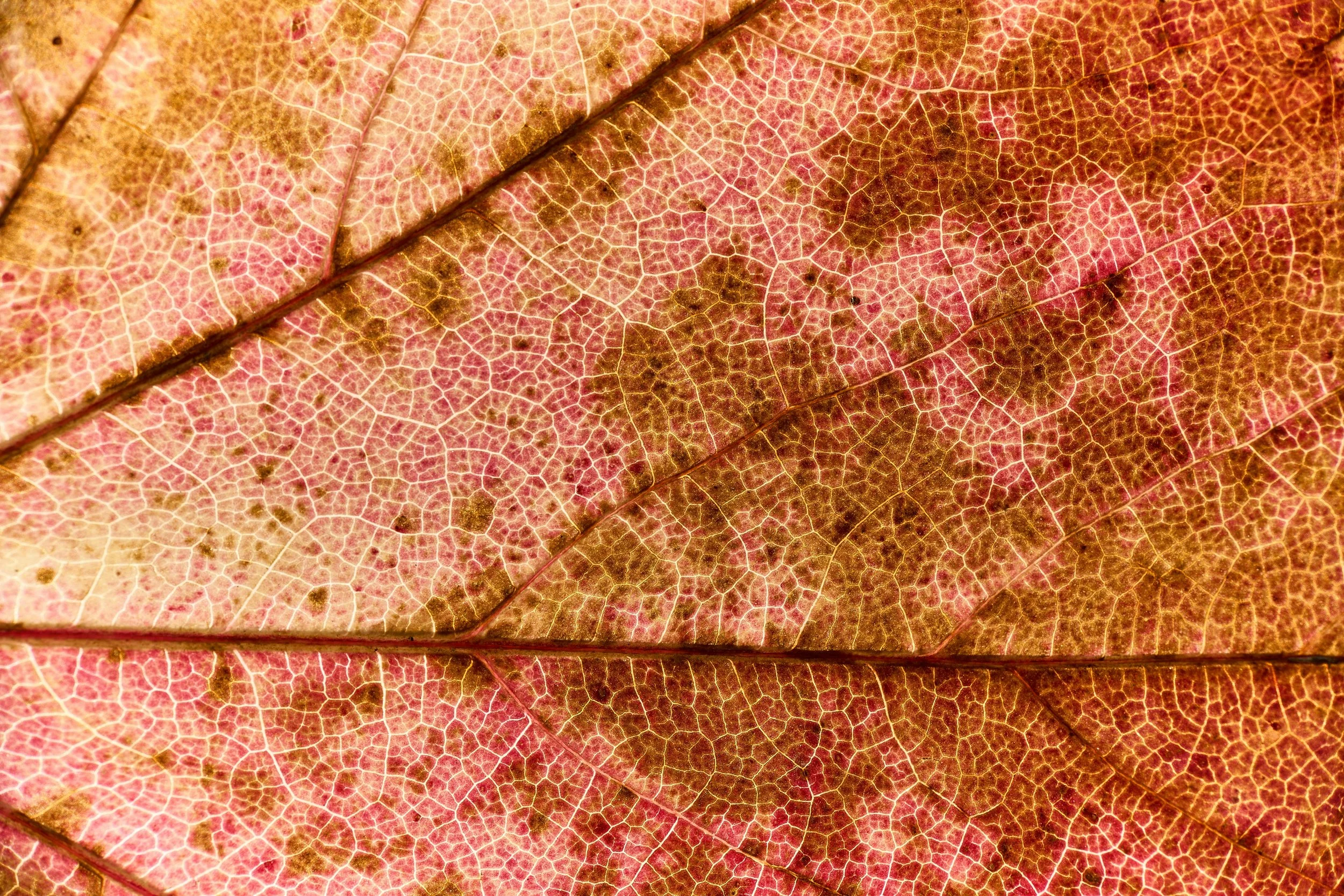
How to Draw an Autumn Leaf With Coloured Pencils
A single fallen leaf is a complete drawing exercise: clear shape, changing colour, delicate veins and just enough imperfection to make it individual.

How to Draw Glass for Beginners
Glass becomes believable when you draw the light, reflections and shapes seen through it… not when you trace a heavy outline around it.
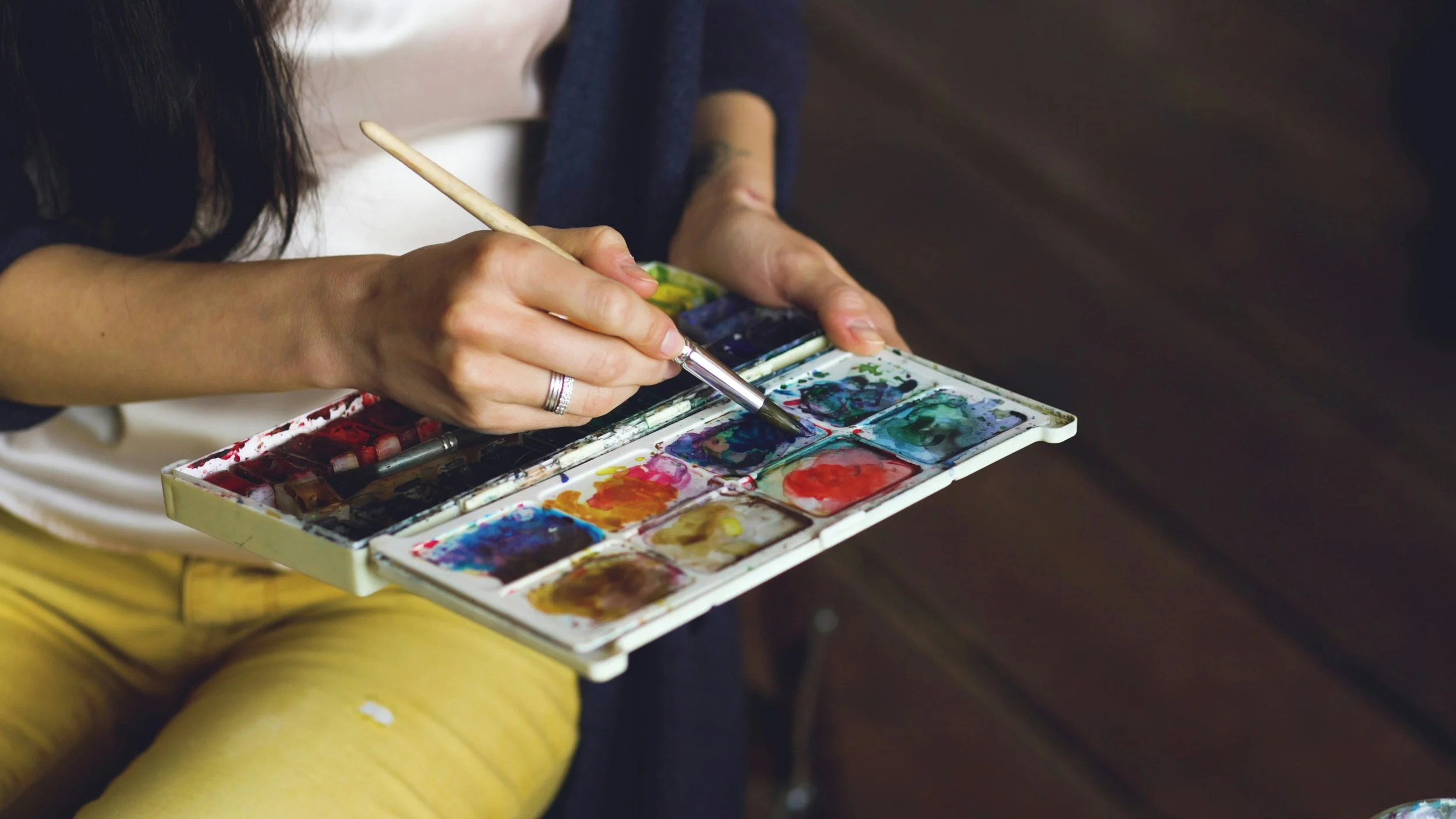
How to Mix Natural Greens in Watercolour
A useful green is rarely one colour straight from the pan. Try a small set of mixes and observe how light changes them.
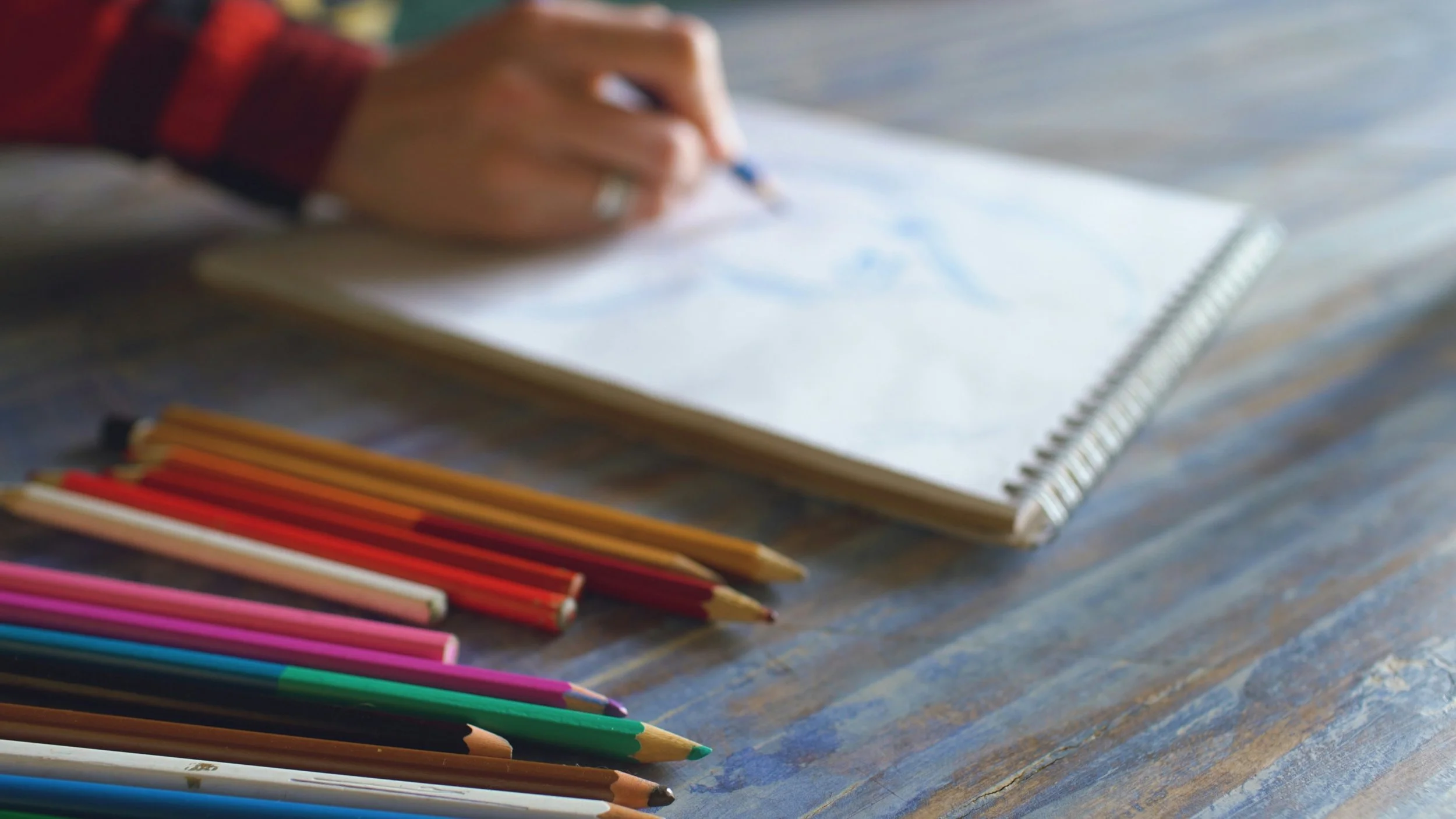
How to Shade a Drawing With Five Simple Values
You do not need a large set of pencils to make a drawing feel solid. Start by seeing five clear values.
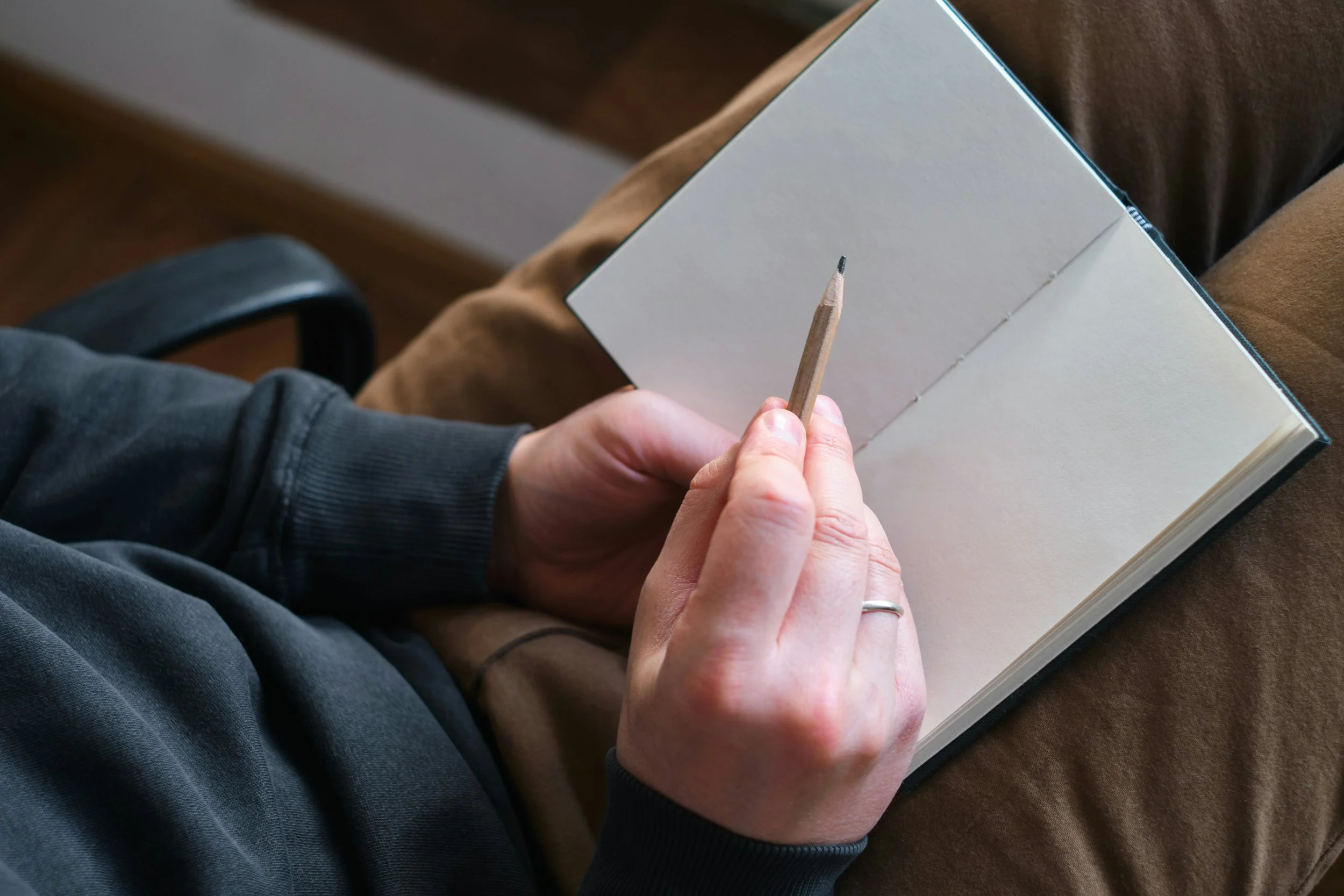
Drawing Composition for Beginners Using a Viewfinder
A small viewfinder can help you decide what belongs in a drawing before you commit pencil to paper.
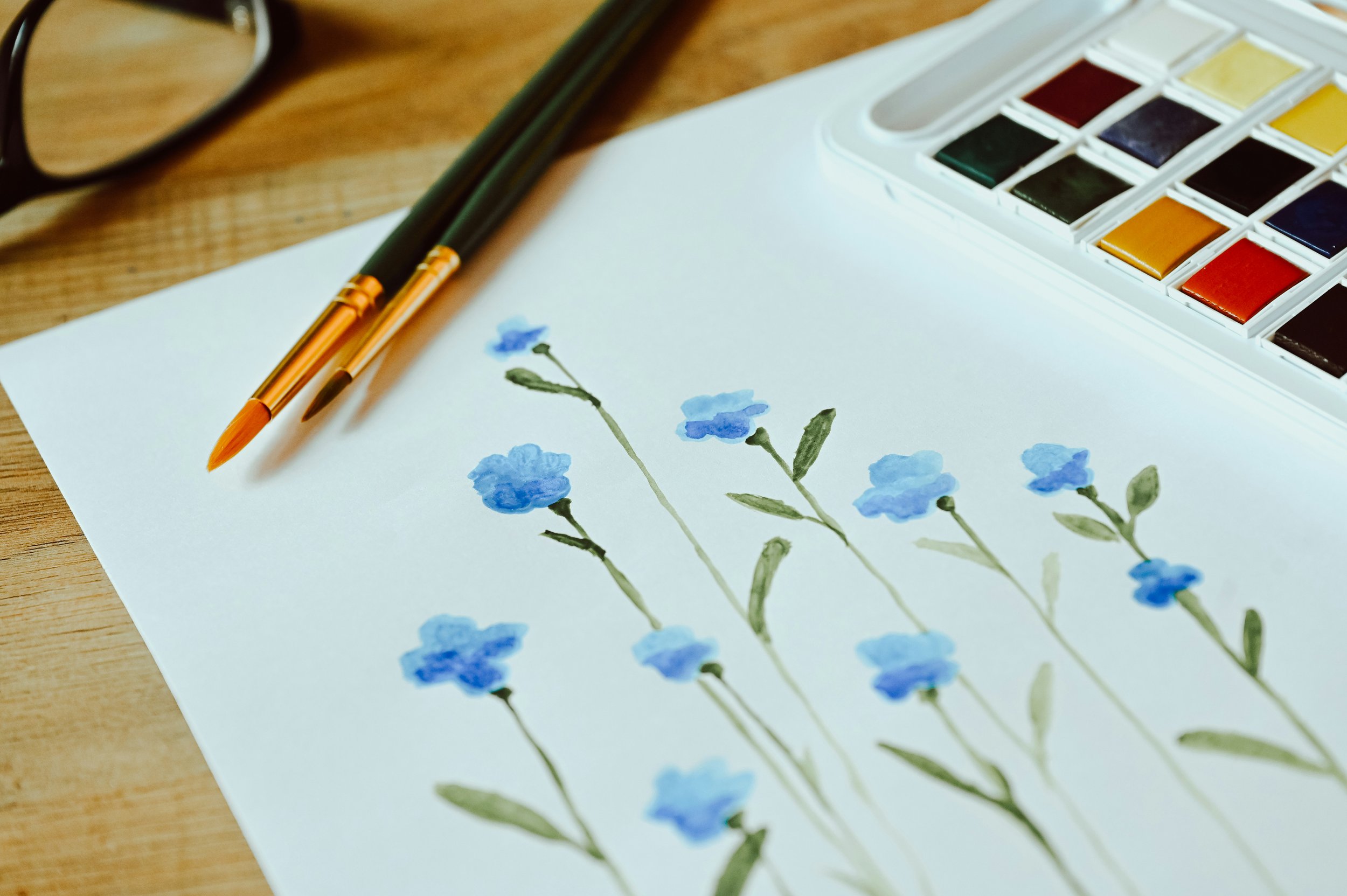
How to Start a Watercolour Painting Without Overworking It
A simple watercolour often works best when you plan the light, let washes dry and resist adding one mark too many.
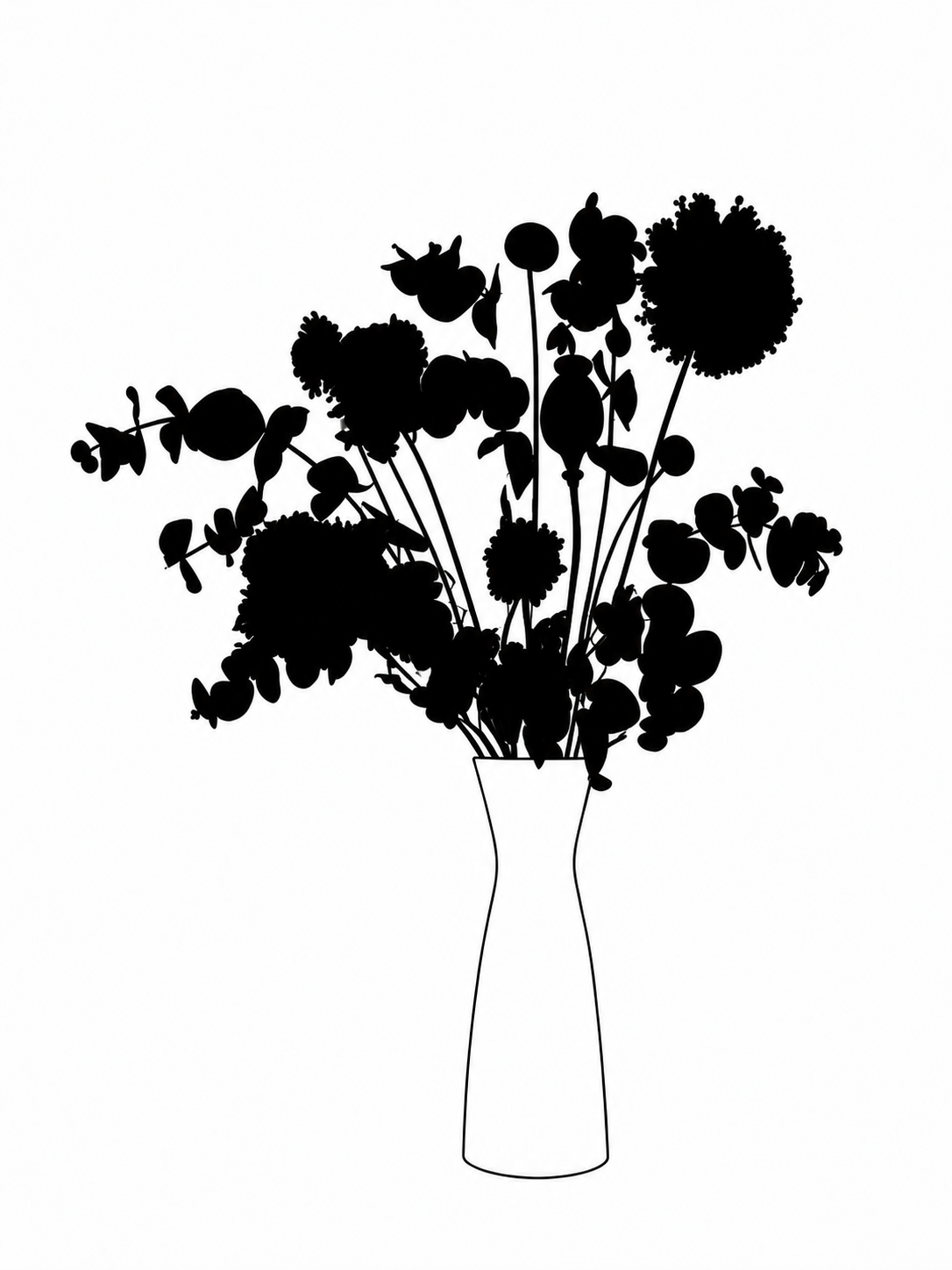
How to Use Negative Space to Improve Your Drawings
When a drawing feels slightly wrong, looking at the shapes around the object can be more useful than staring harder at the object itself.
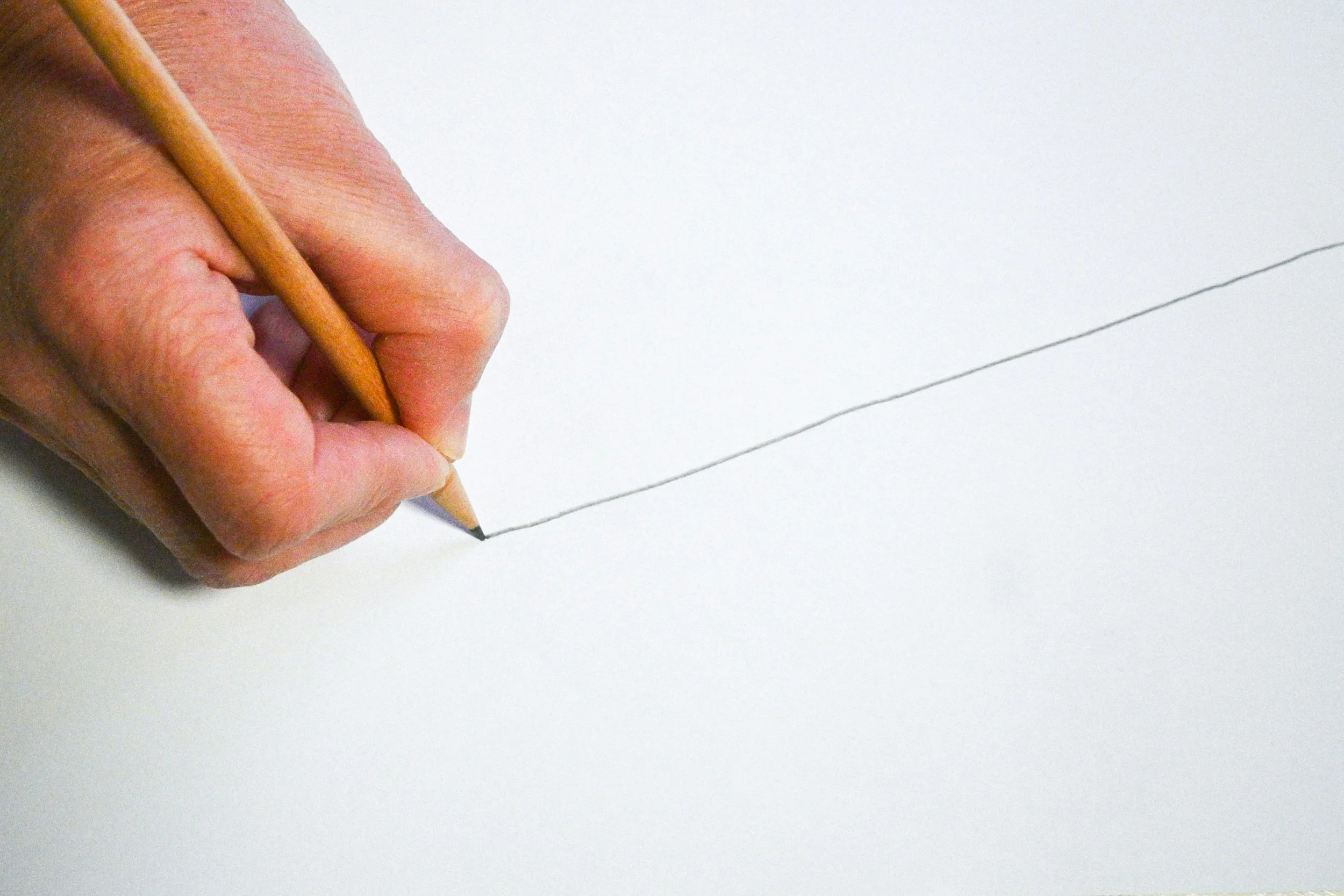
How to Make a Simple Line Drawing Feel More Finished
A drawing does not need more detail everywhere to feel complete. A few calm decisions about line, tone and emphasis can carry it a long way.
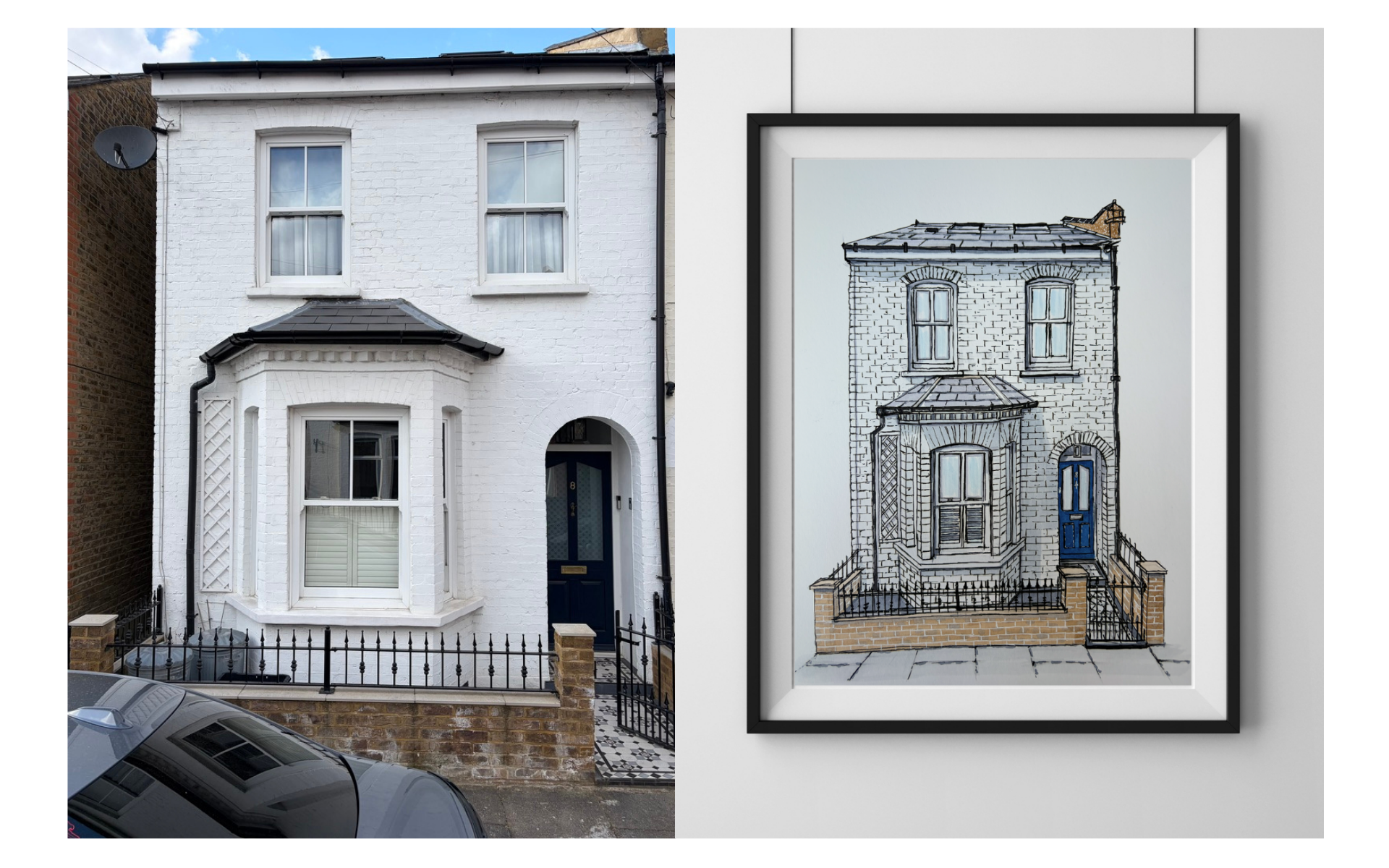
How to Sketch a House From a Photo: Find the Big Shapes First
A house drawing becomes much easier when you stop chasing every brick and begin with the large, simple shapes.
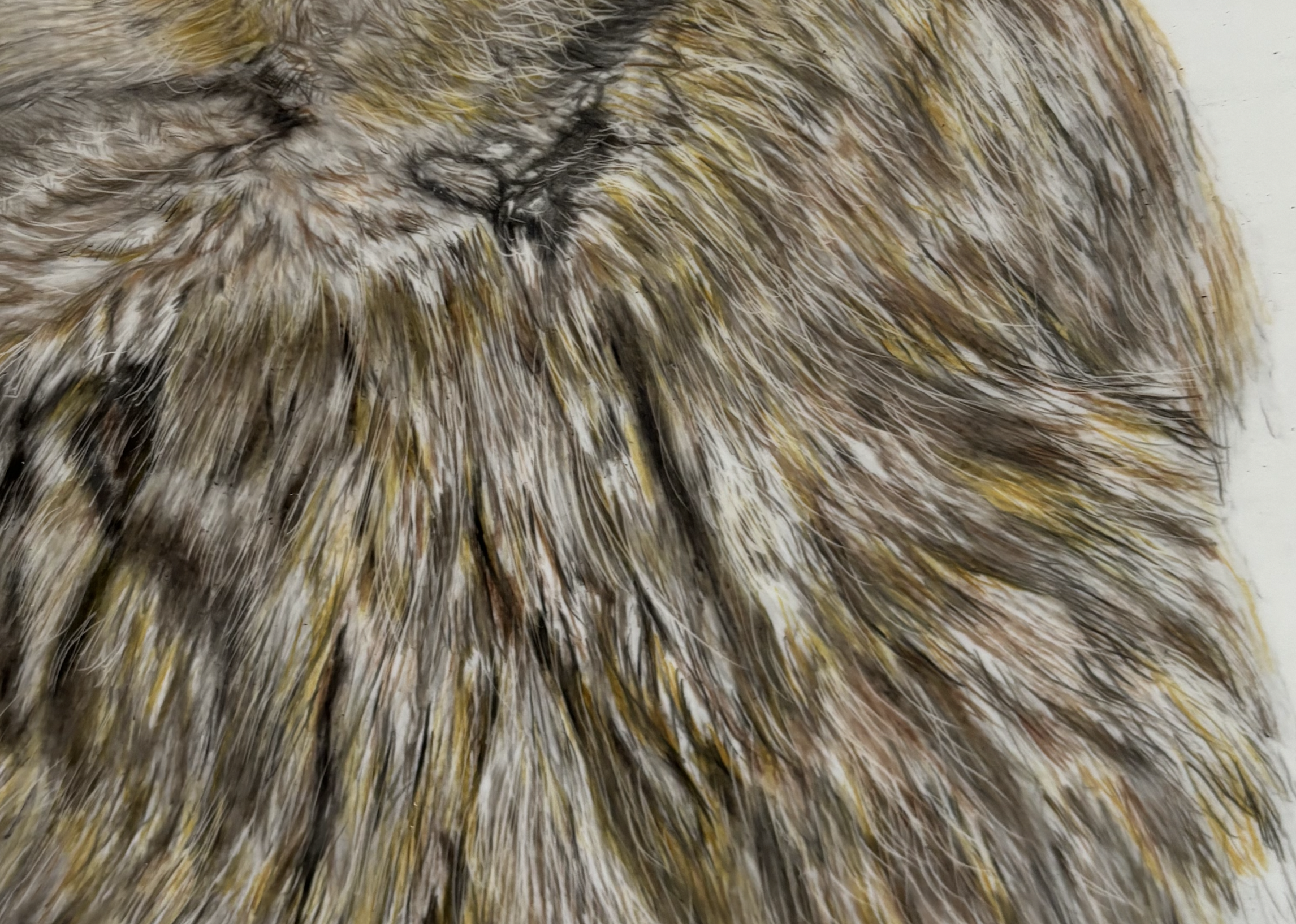
How to Draw Fur With Coloured Pencils: Start With Direction, Not Detail
When people first try to draw fur, they often make the same understandable mistake: they start adding lots of individual hairs straight away. The result can become busy very quickly, but still not quite feel like fur.
The good news is that realistic texture does not begin with detail. It begins with observation. Before you draw a single hair, you need to notice the direction the fur grows, the light and dark shapes underneath it, and the areas where the texture changes.
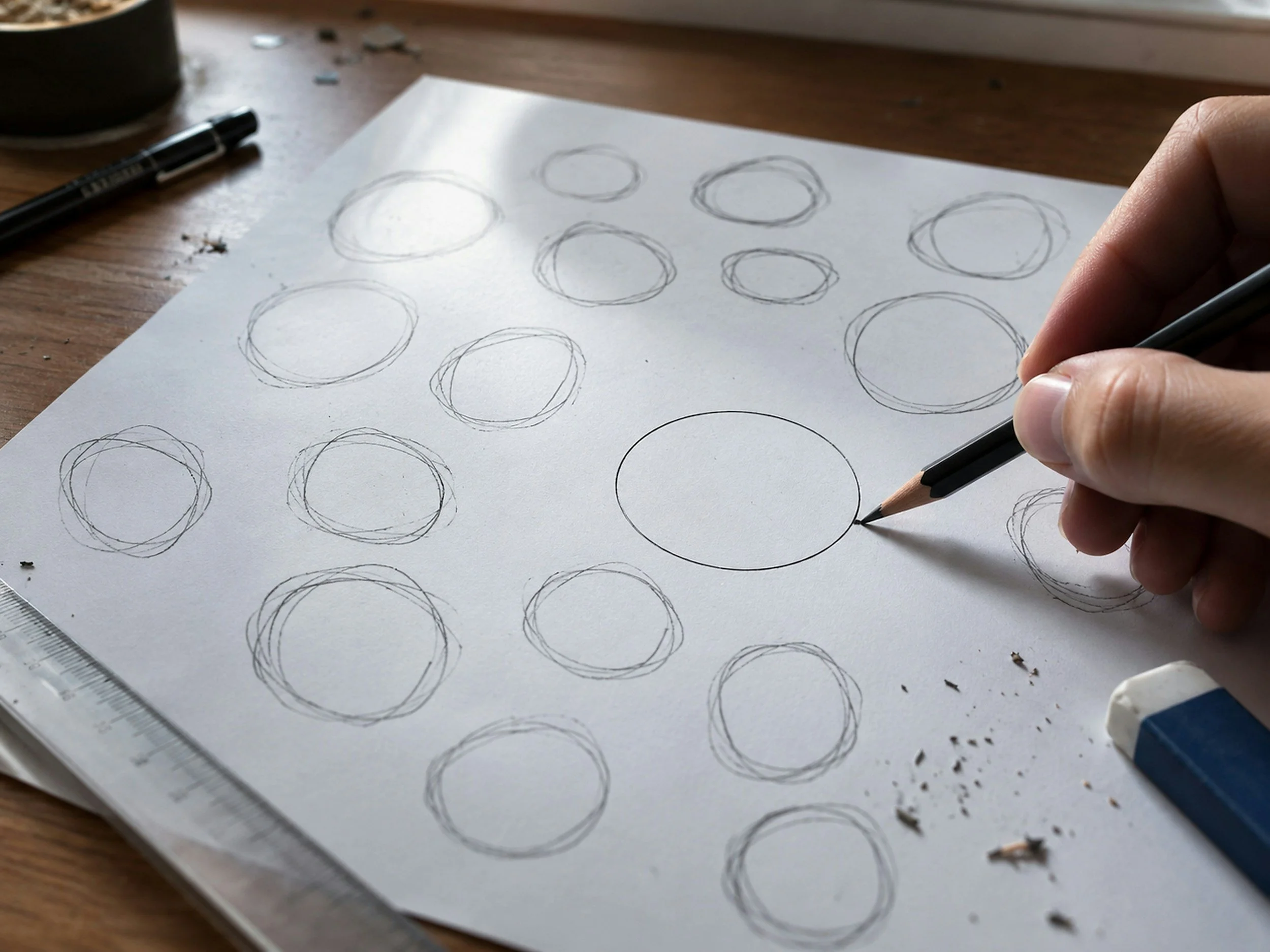
How to Draw What You See, Not What You Think You See
One of the biggest challenges in learning to draw is surprisingly simple.
We often do not draw what is actually in front of us.
Instead, we draw what we think the subject should look like.
We have simplified ideas stored in our minds. An eye is almond-shaped. A nose is a line with two nostrils. A tree has a brown trunk and a round area of green leaves. A dog’s ear is a familiar floppy shape.
These mental shortcuts are useful in everyday life because they help us recognise things quickly.
They are less helpful when we are trying to draw accurately.
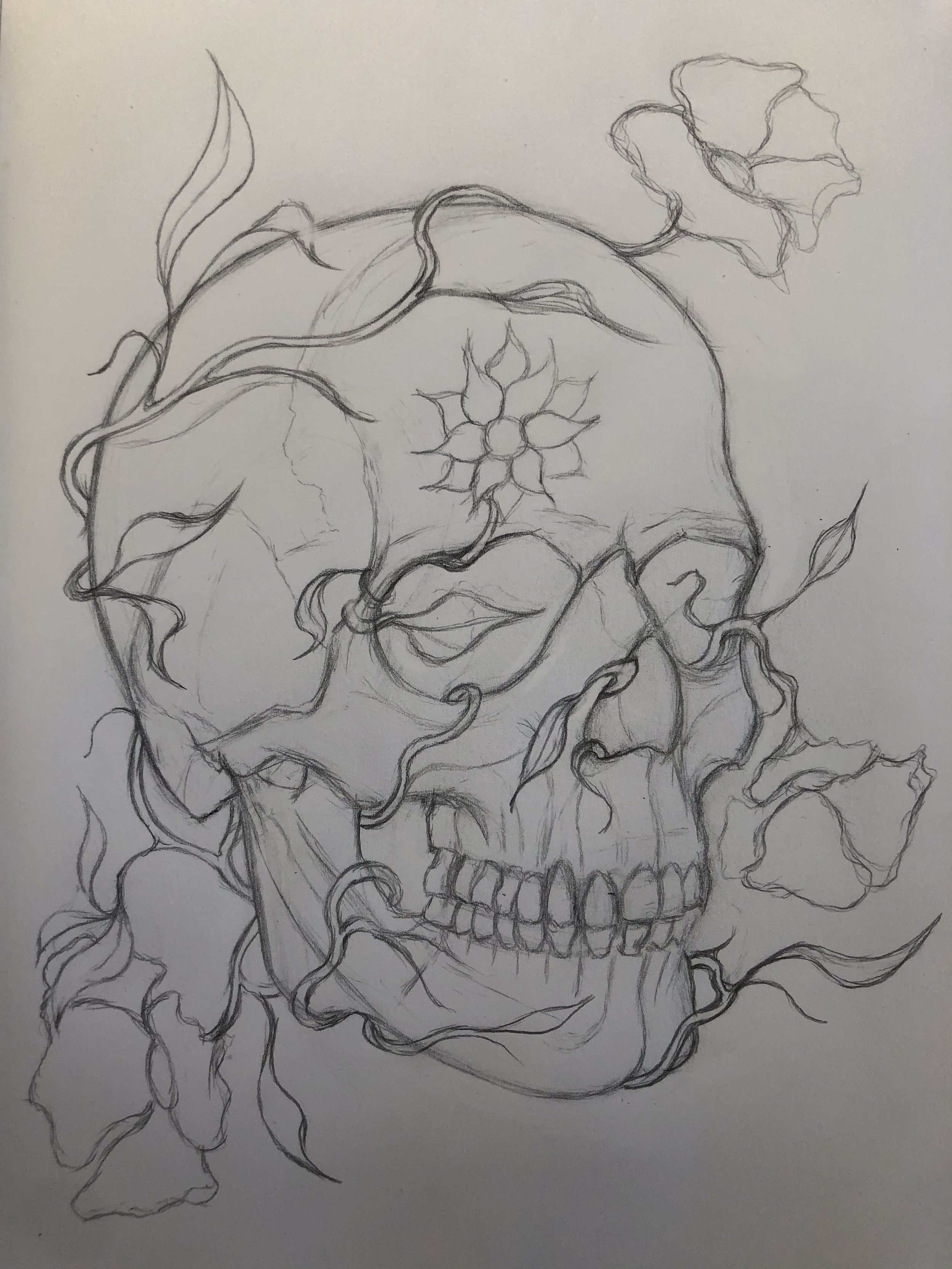
Why I Drew a Skull (And Why It Can Make You a Better Artist)
At first glance, you might wonder why an artist known for pet portraits and teaching beginners would decide to draw a skull wrapped in flowers and vines.
The answer is simple.
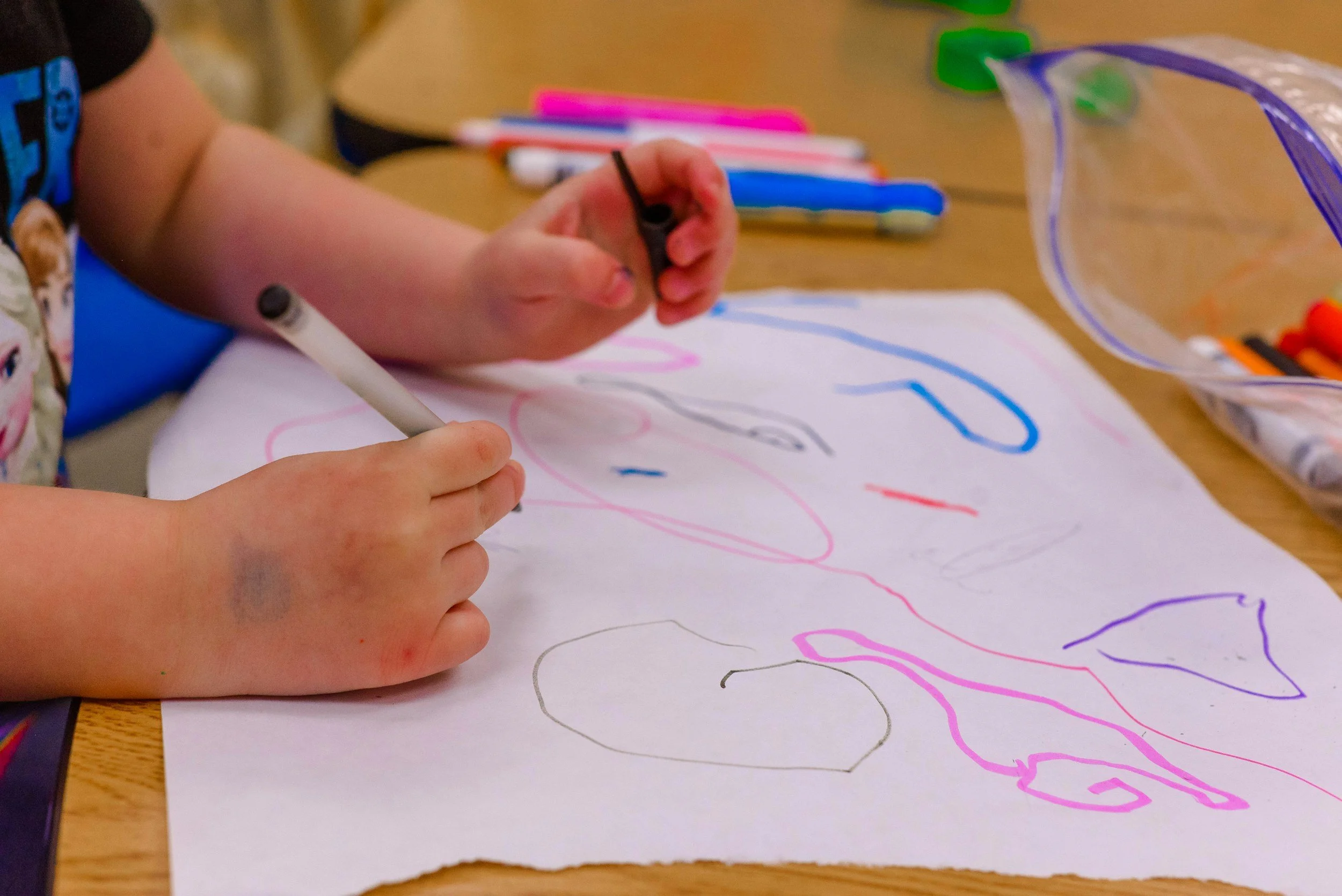
Why Adults Should Never Stop Drawing (Even If You Think You Can't Draw)
Think back to when you were a child.
You probably drew without giving it a second thought. Dinosaurs, houses, superheroes, pets, trees, cars... whatever captured your imagination found its way onto a piece of paper.
You didn't worry whether it was good enough.
You simply enjoyed creating.
Then, somewhere along the way, many of us stopped.
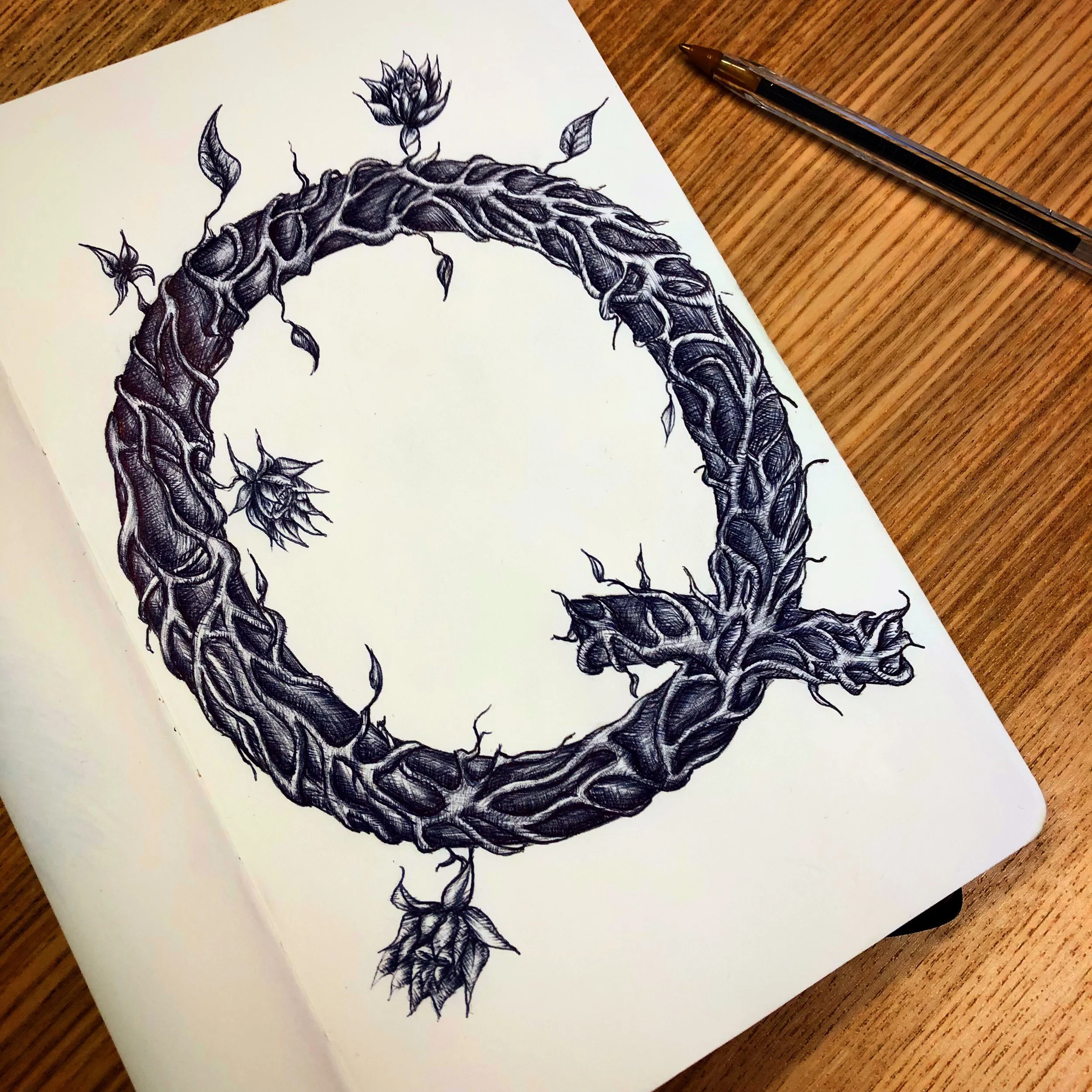
Stuck for Drawing Ideas? Try the Alphabet Challenge
Every artist has been there.
You finally find an hour to sit down with your sketchbook, sharpen your pencil (or biro), make yourself a cup of tea... and then spend the next twenty minutes wondering what on earth to draw.
The blank page can be surprisingly intimidating.
Fortunately, there's a simple exercise I come back to whenever I feel short of ideas, and it's one that works just as well for complete beginners as it does for experienced artists.
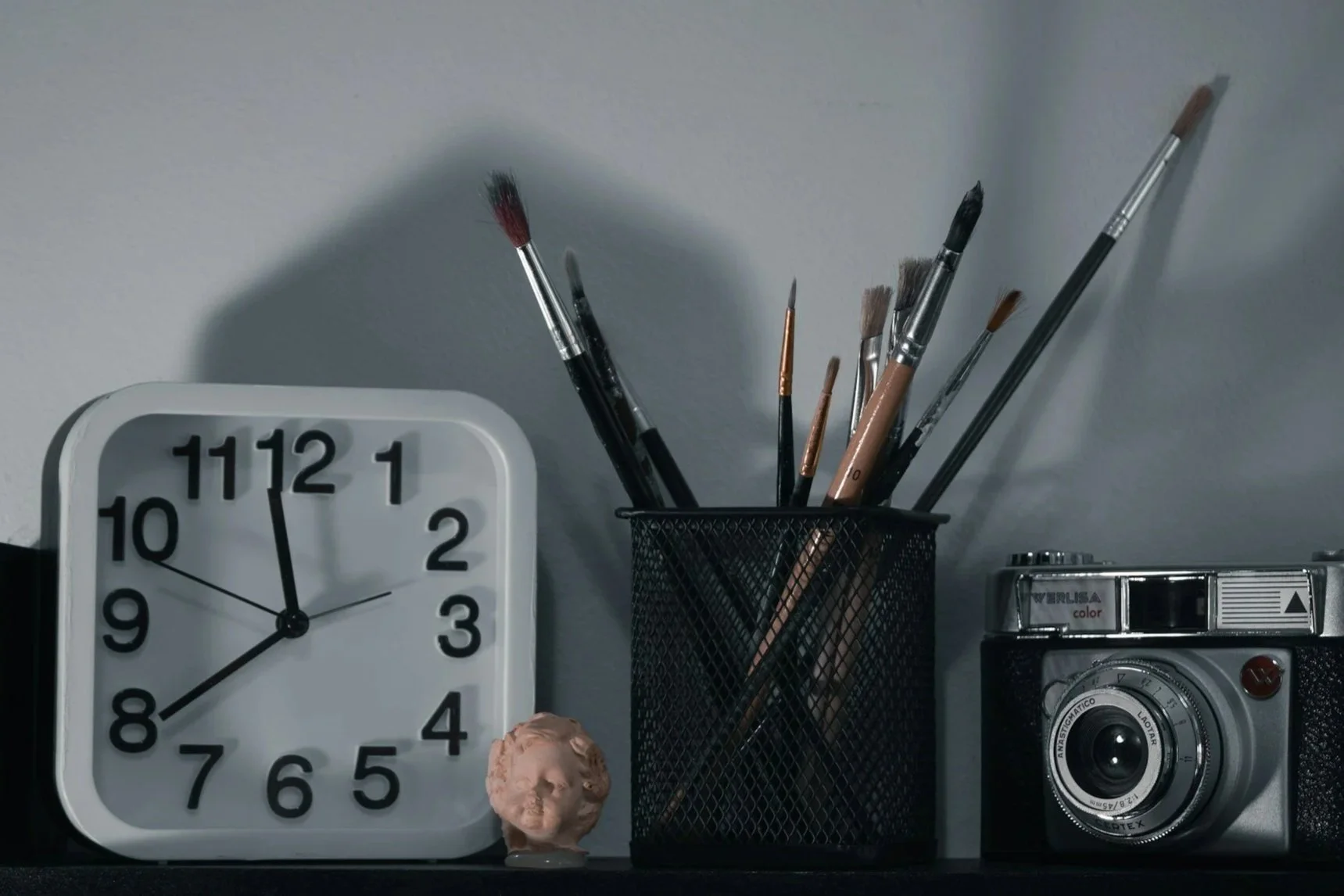
How to Find Time to Draw as a Beginner and Why Lessons Help
Many people would love to draw more, but struggle to find the time.
Not because they are lazy. Not because they lack ability. Usually because drawing gets pushed behind work, family, chores, screens and the feeling that you need a big block of time to make it worthwhile.
But drawing does not have to start with a full afternoon, a perfect setup or a finished piece of artwork.
It can start with ten minutes, a pencil and something simple in front of you.
If you are a beginner, the aim is not to suddenly become brilliant overnight. The aim is to make drawing feel possible, enjoyable and part of your normal week.
Digital Drawing on the Go: Should You Start Sketching on a Tablet?
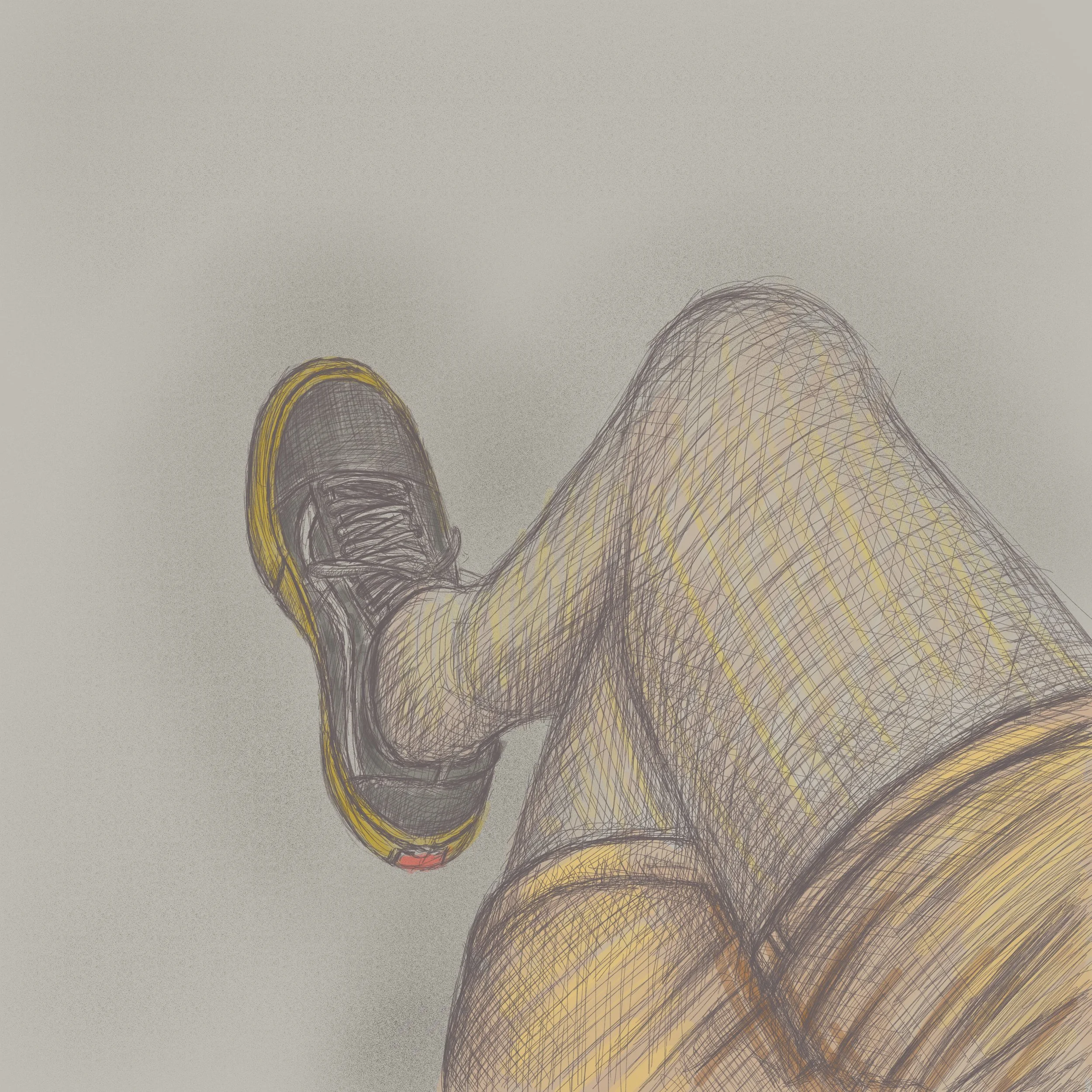
Sometimes the best drawing subjects are not dramatic landscapes, carefully posed portraits, or perfectly arranged still life setups. Sometimes they are simply what is right in front of you.
Recently, I made a short time-lapse drawing in Procreate of my own legs and trainers. Nothing staged. Nothing complicated. Just an everyday view, captured digitally on a tablet.
And that is exactly what I like about digital drawing. It removes a lot of the barriers.
The Art of Leaving Things Out
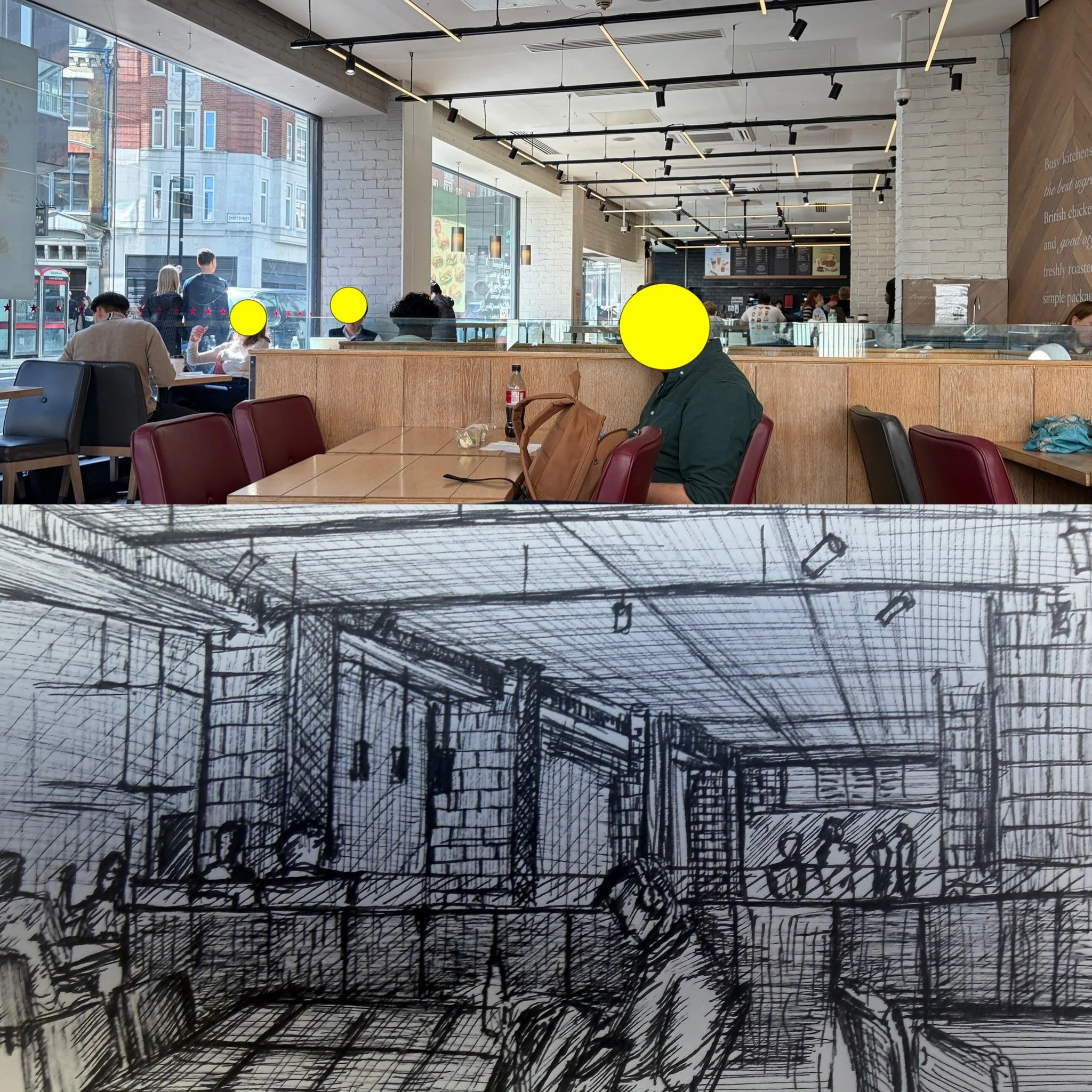
Instead of asking yourself:
"What should I draw?"
Try asking:
"What can I leave out?"
It sounds backwards, but one of the most important skills in drawing isn't adding detail.
It's knowing when to stop.
The Value of a Sketchbook Practice
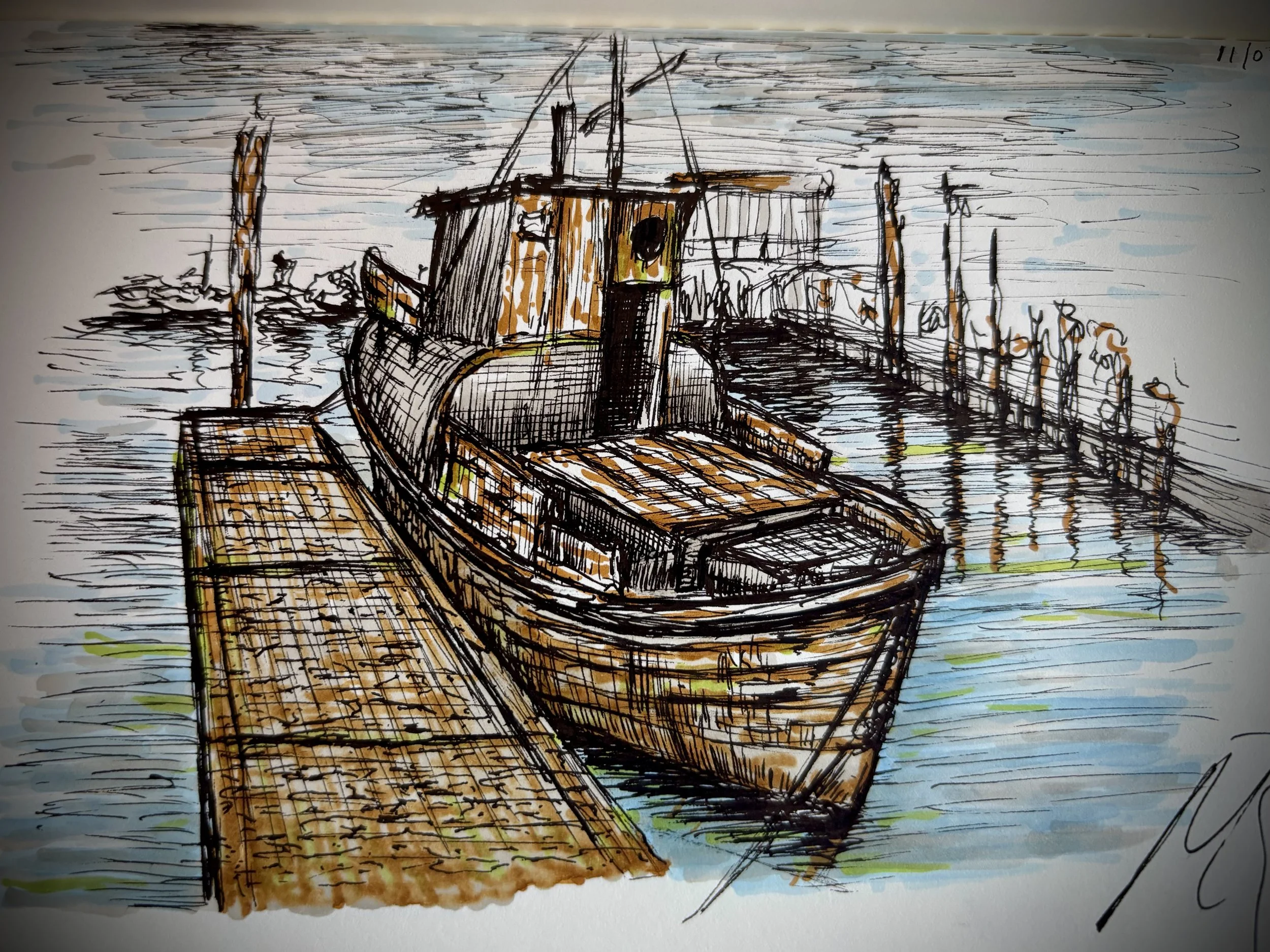
One of the biggest misconceptions in drawing is that every piece of artwork needs to become a finished piece.
Many beginners sit down to draw and immediately feel pressure.
The drawing needs to be good.
It needs to be accurate.
It needs to be something worth showing people.
Unfortunately, that pressure often becomes one of the biggest barriers to improvement.
That's where a sketchbook can become incredibly valuable.