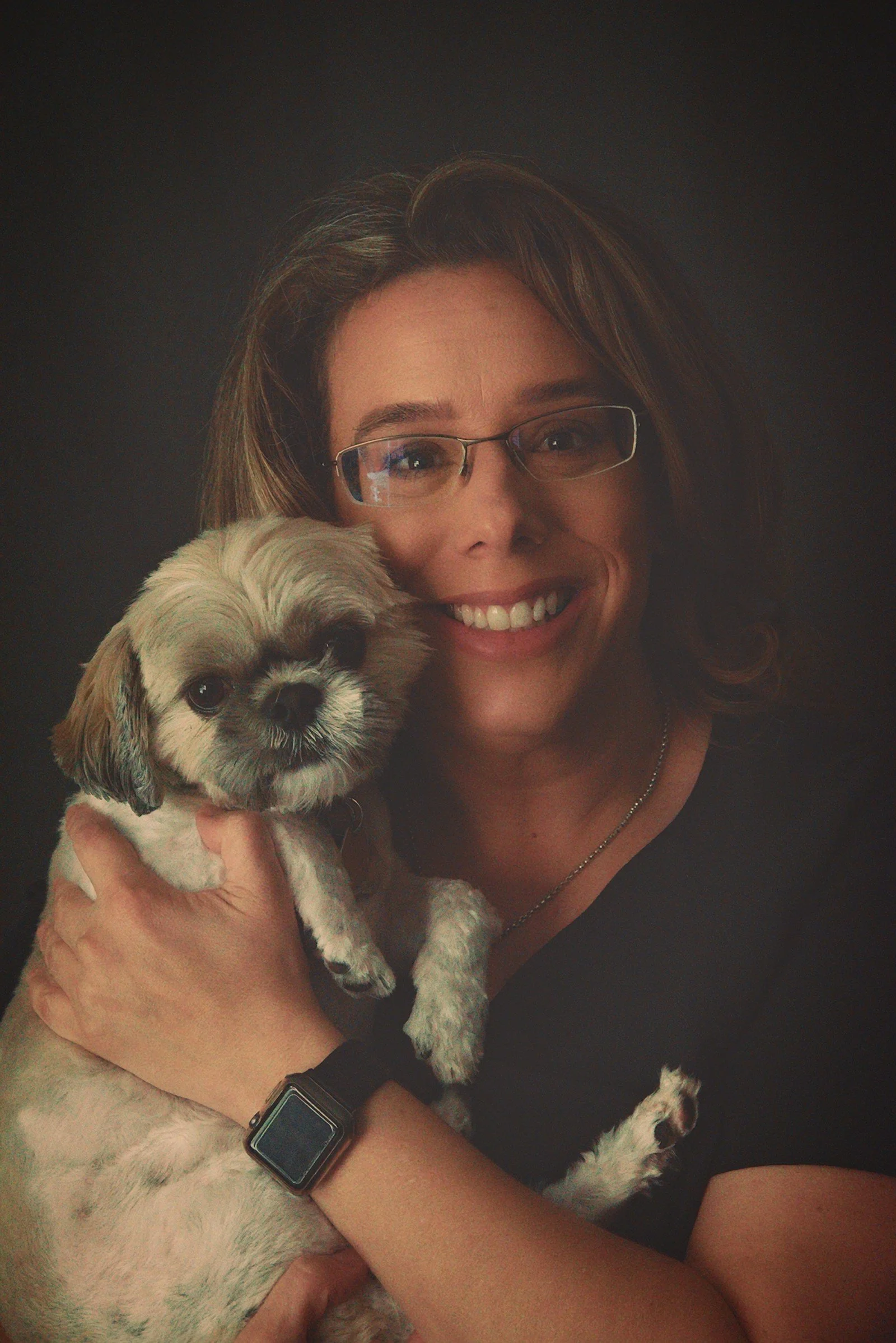
A pet portrait begins with an animal, but the reason for commissioning one is often rooted in a relationship. The face in the photograph belongs to someone who shares the home, has familiar habits and occupies a very particular place in everyday life. That is what makes this work meaningful to me.
I have a cat and a dog myself. That gives the subject a personal connection before I pick up a pencil: I understand why a pet's expression can matter so much to the person who knows them. A likeness needs to feel connected to that individual animal.
My dog and cat now play together, which is lovely. They are a reminder that the animals we live with have relationships and personalities of their own. When I think about a portrait, I want there to be room for that sense of a particular character.
This is why I take on pet portrait commissions. I enjoy the drawing itself, and I value the opportunity to make something that has a personal reason to exist in somebody's home.
Draw an individual animal
A drawing of a spaniel and a portrait of your spaniel ask slightly different things of the artist. The general features help establish the breed or type, but the portrait depends on the proportions and expression of one animal. That is where I want the attention to go.
An ear that sits a little differently, a particular shape around the eyes or a pale patch near the muzzle can affect recognition. Those details work together. I cannot rely on adding a familiar marking to a drawing whose overall structure belongs to a different face.
That challenge gives the commission a clear purpose. I am looking at this animal carefully, rather than producing an interchangeable picture. The owner's knowledge matters because they recognise expressions and characteristics that an unfamiliar viewer might pass over.
Make space for familiar expressions
The most engaging expression does not have to be dramatic. A relaxed mouth or a thoughtful glance may feel more familiar than a perfectly alert pose. I am interested in the expression the owner recognises, because that helps give the portrait its direction.
Living with pets makes it easy to understand why a technically good photograph may not be the one that feels right. An animal can look quite different when excited, sleepy or briefly distracted. Choosing the expression is part of deciding what the portrait should communicate.
I would rather discuss that at the beginning than assume that the most formal pose will always make the best portrait. A conversation about what feels characteristic can be more useful than a request to make every feature as sharp or symmetrical as possible.
Give attention to an ordinary companion
Pets are present through many ordinary parts of the day. They do not need a special occasion to become important to us. A portrait can acknowledge that steady place in a household, even when there is no anniversary or gift deadline behind the enquiry.
That is one reason I like the idea of a commissioned drawing living on a wall. It gives attention to a companion whose importance might otherwise be expressed through hundreds of quick phone photographs. Both have value; the drawing offers a different way of looking.
I do not need to turn that relationship into a grand story. Sometimes the reason is simply that you love the animal and would like a drawing of them. That is a clear and worthwhile reason to begin a conversation about a commission.
Spend time looking closely
Drawing asks me to slow down. I need to consider the shape of the head, the relationship between the eyes and nose, and the way the coat describes the form underneath. Time spent observing supports the choices I make on the page.
I enjoy that concentration. A small adjustment to an eyelid or the angle of a muzzle can change the whole expression. The process encourages me to compare what I have drawn with what is actually present, instead of letting a general idea of an animal take over.
The result is built through those decisions. This is part of what appeals to me about commissions: the drawing has a specific subject, a person who cares about that subject and a reason to look carefully at the information they have shared.
Use materials with a clear purpose
Coloured pencils and drafting film are part of my pet portrait work. They offer a way to develop colour, edges and small details gradually. The materials serve the portrait, particularly the changes in tone and direction that help describe an animal's coat and features.
I want those choices to support the character of the subject. A sharply defined eye may draw attention, while a softer transition elsewhere allows the face to remain the focus. Filling every area with the same amount of detail can make the picture harder to read.
My interest in materials is connected to those decisions rather than to presenting an elaborate collection of equipment. If you are considering a commission, the useful conversation is about the appearance and feel of the finished work and whether my approach suits what you have in mind.
Listen to the person commissioning the work
The owner brings a kind of knowledge that the photograph cannot contain on its own. They can explain which expression feels familiar or point out a marking that has changed with age. That information helps me understand what they want the portrait to hold on to.
I welcome a short description of the pet as well as photographs. It does not need to be a polished story. A simple observation about their character can explain why one image matters more than another, without asking the owner to direct every drawing decision.
That conversation is also a chance to be clear about what the source material can support. If an important feature is hidden or blurred, I want to discuss it. Being honest about the reference is part of treating the commission and the person behind it with care.
Make room for different reasons to commission
Some portraits are planned as gifts. Others are commissioned by the person who lives with the animal and wants something for their own home. The drawing can have a similar format while carrying a different personal significance in each case.
If a pet has died, the conversation may need a particularly gentle pace. I would not assume that commissioning a portrait is right for everyone or that a drawing can resolve grief. It is an option for people who feel it would be meaningful to them.
There is no need to share more personal detail than you want to. Knowing which photographs matter and what you hope for from the portrait gives us a starting point. Any further story belongs to you to share in your own way.
Keep the promise of the portrait honest
A hand-drawn portrait is an interpretation made through observation and choices. I want the result to be recognisable and thoughtfully made, while remaining clear about what a drawing is and what the available photographs allow. That honesty supports a better conversation from the outset.
It also means discussing practical details before assuming that a request can be met. The subject, size and reference material all affect what is suitable. If you have a particular occasion in mind, ask about timing so that we can establish what is possible.
I would rather have a useful discussion early than let someone build plans around an assumption. A commission carries personal expectations, and clear communication gives both the artist and the person commissioning the work a more comfortable foundation.
Think about where the drawing will live
A portrait will be seen in the context of a home. The space available and the way the work will be displayed can influence the size or composition that feels suitable. It helps to think about those things without feeling that every framing decision must already be settled.
For a gift, consider the recipient's taste and available space as well as your own idea. A quiet head-and-shoulders portrait may suit one setting, while a different view may feel more personal in another. The right choice depends on the animal and the person who will live with the drawing.
That practical side is part of the appeal for me. The work is intended to become part of somebody's surroundings. I want it to reward that continuing attention, rather than depend on a brief impression when it is first unwrapped.
Begin with what matters to you
If you are considering a pet portrait, begin with the animal and the reason you would like the work. You can tell me which expression you love or share a few photographs that feel familiar. We can then discuss a sensible direction together.
You do not need to know art terminology or arrive with a complete brief. Questions about photographs, materials and suitability are welcome. My reference-photo article can help with that practical preparation, while this conversation begins with the more personal reason for the portrait.
For me, that combination of careful drawing and personal significance is what makes pet portrait commissions worth doing. Each enquiry offers the possibility of looking closely at an animal who already matters to someone, and making a drawing with that connection in mind.
Equipment to use
For my pet portrait work, coloured pencils and drafting film support the gradual development of colour and detail. A clear reference photograph remains important because the materials cannot supply information that the image does not show. I look at the overall forms before the smaller textures.
If this article encourages you to try drawing your own pet, begin with materials you already have. A graphite pencil and ordinary drawing paper are enough for a study of the head or eye. You can explore more specialised surfaces once you understand what you would like them to do.
In a lesson, we can discuss an appropriate starting point for your interests and experience. For a commission, you do not need to buy equipment or prepare artwork yourself. Send your enquiry and a few possible photographs, and we can talk about the portrait you have in mind.
Ready to take the next step?
If you would like to discuss a portrait of your pet, send me an enquiry and a few possible photographs. I also offer friendly, personalised art tuition in Teddington and the surrounding areas, tailored to your interests, experience and pace.
Let’s discuss your portrait or art lessons
Tell me about your pet, your portrait idea or what you would like to learn. Get in touch here.