How to Draw Fabric Folds With Pencil
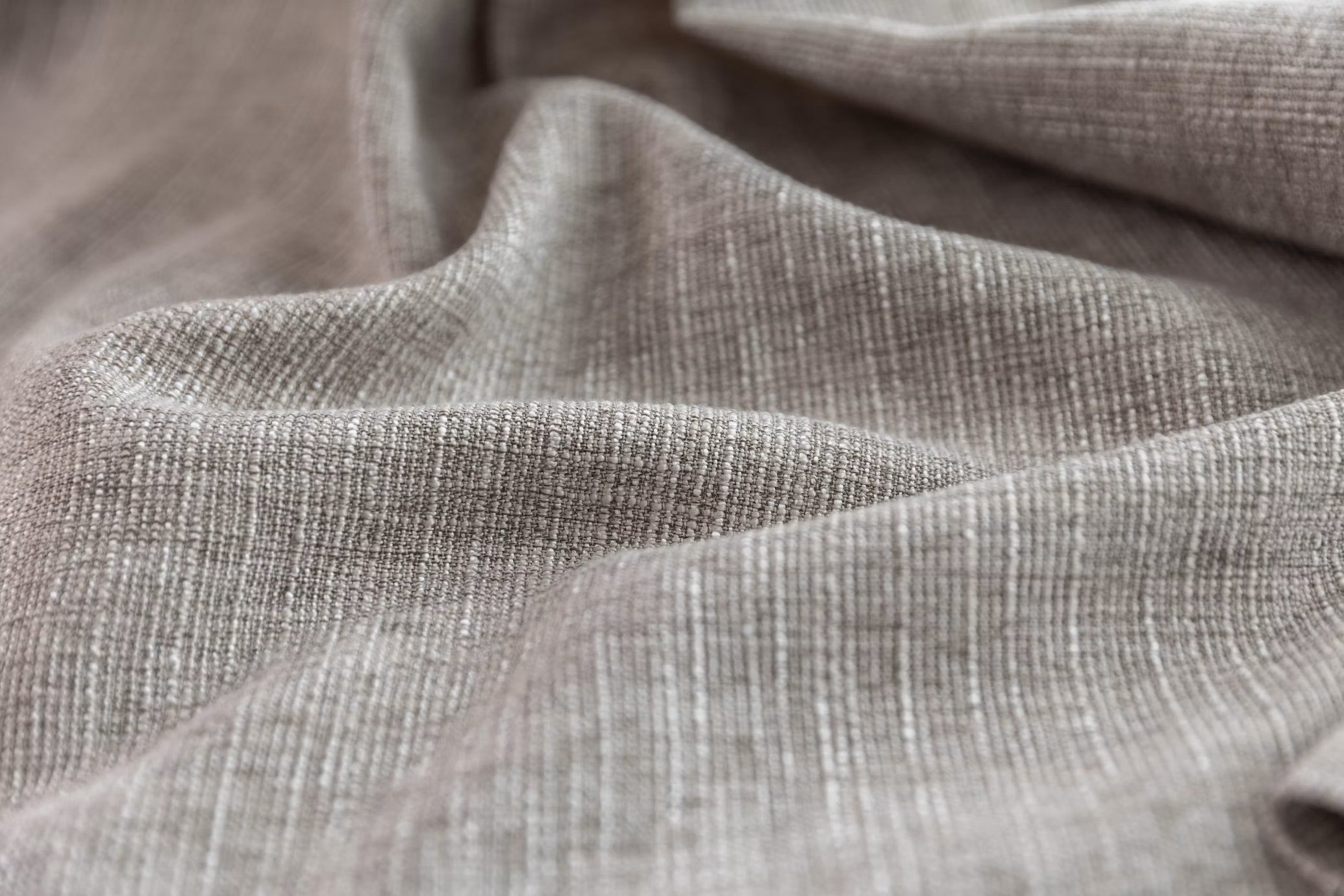
Fabric can look impossibly complicated when you first try to draw it. A sleeve, curtain or tea towel may contain dozens of creases, and the temptation is to copy every line. The result often becomes busy and flat because the drawing records surface detail before it understands the form underneath.
A calmer approach is to ask why the cloth is folding. Fabric responds to gravity, support, pressure and movement. Once you find where it is held or compressed, the main folds become easier to organise. You do not need to name every type of drapery. You need to observe where the fabric starts, where it travels and where the light changes.
Choose a simple piece of fabric
For a first study, use a light, plain tea towel, pillowcase or piece of cotton. Avoid a busy pattern because it adds another problem before the structure is clear. Drape it over the back of a chair or hang one corner from a hook so that a few obvious folds form.
Set one light to the side. Side light gives you a clearer sequence of light, half-tone, core shadow and reflected light than a room lit evenly from several directions. Take a reference photograph if you need to work over more than one session, but spend a minute looking at the real cloth first.
Find the points of tension and support
Look for the places where the fabric is held, pulled, pinched or resting on another form. Folds often radiate from those points. A towel hanging from one corner may create long fan-like folds; cloth lying across a box will change direction at the edge; a sleeve bends because the arm underneath changes position.
Mark these support points lightly, then draw arrows in your mind showing the direction the cloth travels. This prevents random crease-making. Every strong fold in the drawing should have a reason to be there.
Draw the outside shape before the inside folds
Begin with the silhouette. Compare the height and width, note where the edge bulges or drops and look at the negative spaces around the hanging cloth. If the outside shape is wrong, beautifully shaded folds will not rescue the drawing.
Use a light HB pencil and keep the first marks adjustable. Check a few large angles rather than tracing the edge centimetre by centimetre. The aim is to establish the overall weight and direction of the fabric.
Choose the main folds
Now identify perhaps three to five dominant folds. Ignore smaller wrinkles for the moment. Some folds will look like soft tubes, some like a zig-zag at a compressed edge and some like a broad change of plane. Draw the boundary of the main light and dark shapes rather than outlining each crease.
It can help to half-close your eyes. Detail softens and the major pattern becomes more obvious. If two neighbouring folds merge into one large shadow, treat them as one shape initially. You can divide them later if the drawing needs it.
Shade across the form
A fold is not simply a dark line beside a light line. It turns through space. Let your pencil strokes follow that turn, gradually moving from light to dark. Keep the lightest paper for the parts facing the light and reserve your darkest values for the narrow core shadows and overlaps.
Build tone in layers. Pressing hard too early makes corrections difficult and can give every shadow the same heavy edge. A 2B pencil is useful for deeper areas, but the range of values matters more than the number printed on the pencil.
Keep edges varied
Where one piece of fabric overlaps another, the edge may be crisp. Where a rounded fold turns gently away from the light, the boundary should be softer. Using the same sharp outline everywhere makes fabric look cut from card.
Compare one edge with the next. Ask which is sharper, darker or more important. This small habit creates depth and gives the eye somewhere to settle. It is the same principle I use in pet portraits: not every hair, edge or detail deserves equal emphasis.
Compare the fabric rather than naming it
Try not to decide too quickly that a section is simply dark, light, smooth or crumpled. Compare it with the area beside it. Is this shadow cooler, softer or narrower? Does the highlight continue along the fold or disappear where the cloth turns? Relative comparisons are easier and more accurate than trying to invent a perfect value in isolation.
If your drawing becomes confusing, return to the three largest shapes and strengthen their relationship before adding more marks. Clarity usually comes from better organisation, not from more detail.
Add only the creases that explain the cloth
Once the large forms work, add a few smaller creases near pressure points and compressed areas. Keep them lighter and shorter than the main folds. A crease can begin firmly and disappear; it does not always need to travel across the whole piece of fabric.
Stand back regularly. If the cloth reads clearly from a distance, more lines may weaken it. The goal is not to prove that you noticed every wrinkle. It is to make the material feel as though it hangs, bends and has weight.
Try a focused study
Give yourself thirty minutes. Spend five minutes measuring the silhouette, five finding the main fold directions, fifteen building three or four tonal values and five deciding which details to keep. Photograph the setup and the finished study so you can compare what you simplified.
Fabric is a very useful lesson subject because it combines observation, proportion, edges and light in one manageable setup. If you would like help working through it, I offer calm, structured private art tuition for adults in Teddington, Richmond and South West London, as well as online lessons across the UK. We can build the drawing one decision at a time.
Ready to take the next step?
If you would like relaxed guidance with watercolour, drawing or coloured pencil, I offer private art lessons for adults in Teddington and South West London, as well as online. We can work at your pace and build a process that makes painting feel enjoyable rather than intimidating.